
What Temperature Should Wine Be Served At?
Have you ever opened a bottle of wine, poured a glass, and felt the taste wasn’t quite right? Surprisingly, the issue may not be the wine itself but the temperature at which it is served. Temperature plays a major role in how wine smells, tastes, and feels on the palate.
When wine is too cold, many of its aromas and flavors become hidden. On the other hand, wine that is too warm can taste overly alcoholic and lose its balance. Serving wine at the right temperature allows its true character to shine, making every sip more enjoyable.
One common misconception is that red wine should always be served at room temperature. In reality, most red wines taste better when slightly cooler. Light reds like Pinot Noir are best served between 12°C and 16°C, while fuller-bodied reds such as Cabernet Sauvignon and Merlot are ideal at 16°C to 18°C.
White wines generally benefit from cooler temperatures because chilling enhances their freshness and crispness. Light white wines like Sauvignon Blanc and Pinot Grigio are best enjoyed between 7°C and 10°C, while richer styles like Chardonnay are better served between 10°C and 13°C.
Rosé wines fall somewhere in the middle. Their fruity and refreshing nature is best expressed when served between 8°C and 12°C. This temperature keeps them crisp without masking their delicate flavors and aromas.
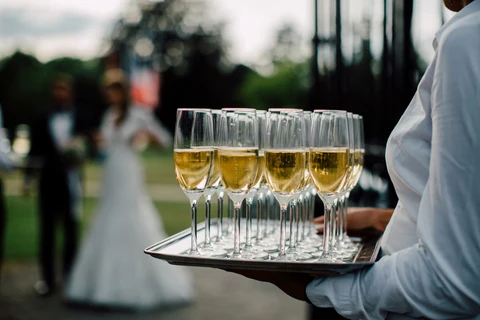
Sparkling wines, including Champagne and Prosecco, should be served well chilled at 6°C to 10°C. The cooler temperature helps preserve their bubbles and refreshing taste, making them perfect for celebrations and special occasions.
The next time you open a bottle, take a moment to consider its temperature before pouring. A few degrees can make a noticeable difference, helping you enjoy richer aromas, better flavors, and a more memorable wine-drinking experience.