
Understanding Wine Aging: Does Older Mean Better?
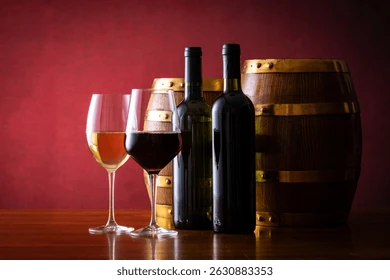
Many wine lovers have heard the saying that wine gets better with age, but the reality is a little more complicated. While some wines can improve over time, not every bottle is meant to be stored for years. In fact, most wines on the market today are designed to be enjoyed within a few years of purchase.
Wine aging is a natural process that allows the flavors, aromas, and structure of a wine to evolve. As a wine matures, bold fruit flavors often become softer, while more complex notes such as spice, leather, tobacco, or dried fruit can emerge. This transformation is what makes aged wines so appealing to collectors and enthusiasts.
However, aging only benefits certain types of wine. High-quality red wines with strong tannins and acidity often have the potential to age gracefully for many years. Some premium white wines can also develop beautifully over time. On the other hand, many light, fresh, and fruit-forward wines are best enjoyed while they are young, when their vibrant flavors are at their peak.
Proper storage also plays a major role in the aging process. Even a great wine can lose its quality if exposed to excessive heat, light, or fluctuating temperatures. This is why serious collectors invest in wine cellars or specialized storage solutions to protect their bottles.
So, does older always mean better? Not necessarily. A well-aged wine can be extraordinary, but only if it was made for aging in the first place. Sometimes, a younger wine offers fresher flavors and a more enjoyable drinking experience. The key is understanding the wine you’re buying and knowing when it is meant to be enjoyed. After all, the best wine isn’t always the oldest—it’s the one that delivers the perfect experience when you open the bottle.