
The Purpose of Degassing a Cigar, Why It Matters for the Perfect Smoke
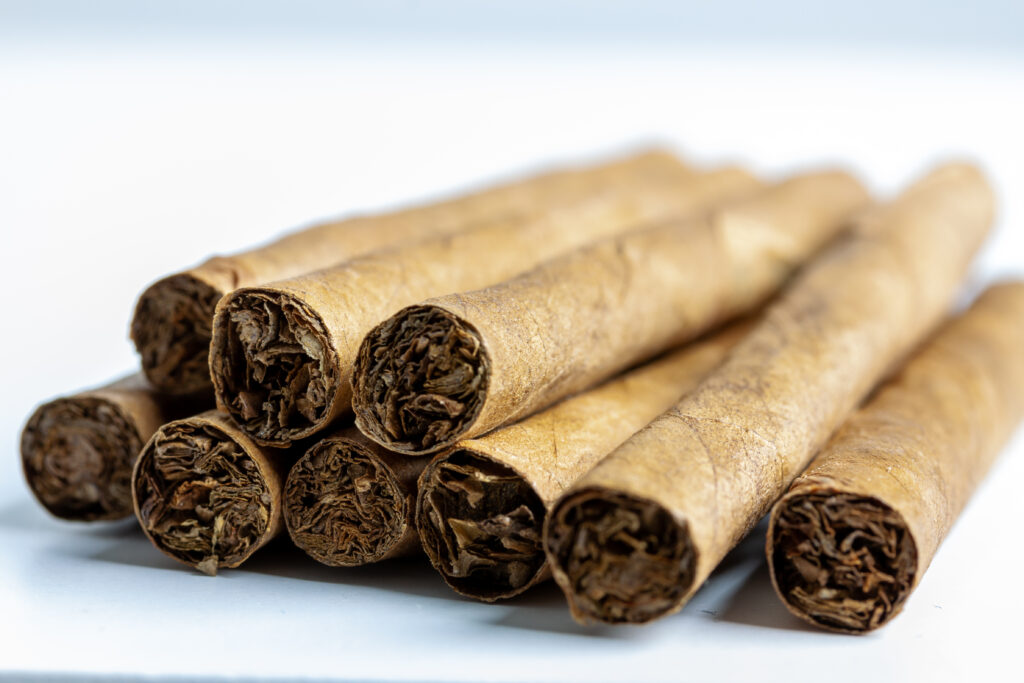
If you’ve ever lit up a cigar only to find the flavors harsh, bitter, or inconsistent, you’re not alone. Even the most premium cigars can sometimes develop unwanted tastes or burn issues after being rolled. One of the key reasons behind this lies in a natural process called degassing. In simple terms, degassing is the act of letting a cigar rest or “breathe” after rolling or smoking, so it can release built-up gases and ammonia trapped during fermentation and combustion. Understanding this process can significantly enhance your smoking experience.
When cigars are rolled, the tobacco leaves used have already gone through fermentation, a process that breaks down impurities and releases gases. However, even after fermentation, some residual ammonia and carbon dioxide remain trapped within the tightly packed tobacco. These gases can alter the aroma and flavor, often giving a cigar a sharp or chemical taste if smoked too soon. Degassing helps release these residual compounds naturally, restoring the intended balance and smoothness of the tobacco blend.
Degassing is also a critical part of what happens after you light a cigar. During the smoking process, combustion creates new gases, such as carbon monoxide, ammonia, and hydrogen sulfide, that build up inside the cigar as you smoke. If you relight a cigar later without degassing it, those gases can produce an acrid, burnt taste. By gently blowing through the cigar’s lit end (a technique known as purging), you expel these trapped gases, allowing the natural flavors of the tobacco to come through again.
For cigar makers and enthusiasts, degassing during storage is equally important. Freshly rolled cigars often need several weeks or months in a controlled humidor to properly degas before they are ready for sale or enjoyment. This resting period allows the oils, sugars, and remaining gases in the tobacco to harmonize, resulting in a more refined, well-balanced smoke. It’s one reason why premium cigars often age gracefully, the longer they rest, the smoother they become.
Neglecting to degas your cigar, whether before or during smoking, can lead to an unpleasant experience. Harshness on the palate, bitterness on the tongue, or even an uneven burn are all telltale signs that gases are interfering with the cigar’s natural balance. Taking a few moments to purge your cigar between puffs, or giving a freshly rolled cigar time to rest, can make a world of difference in flavor and aroma.
In conclusion, degassing isn’t just a technical step for cigar makers, it’s a vital practice for every cigar lover. Whether you’re aging cigars in your humidor or lighting up your favorite stick, understanding the role of degassing helps preserve the craftsmanship and quality of the tobacco. The next time your cigar tastes off, remember, it might just need a little time to breathe.