
Red Wine vs White Wine: Key Differences Explained
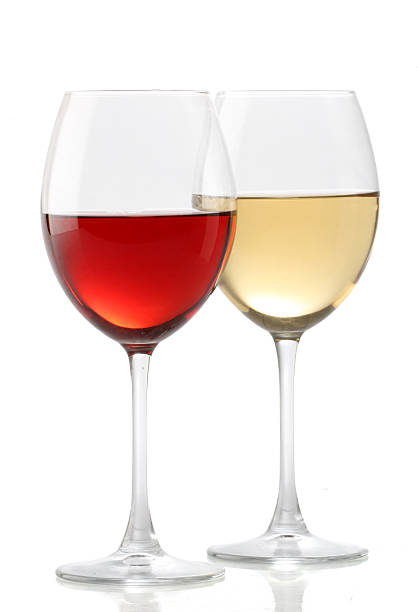
Wine has been enjoyed for thousands of years, yet one question continues to spark debate among enthusiasts and casual drinkers alike: red wine or white wine? While both are made from grapes, the differences between them go far beyond color. From how they are produced to how they taste and pair with food, red and white wines each offer a unique drinking experience.
Whether you’re selecting a bottle for a special occasion, planning a dinner party, or simply exploring the world of wine, understanding these differences can help you make better choices and appreciate what’s in your glass.
It All Starts with the Grape
The primary difference between red and white wine begins during the winemaking process. Red wine is made using dark-colored grape varieties, and the grape skins remain in contact with the juice during fermentation. This is what gives red wine its deep color, rich flavors, and tannins.
White wine, on the other hand, is usually made by separating the grape juice from the skins before fermentation begins. As a result, white wine tends to have a lighter color and a fresher, more delicate flavor profile. Interestingly, white wine can be made from both white and red grapes, provided the skins are removed early in the process.
Flavor: Bold vs Refreshing
One of the most noticeable differences between red and white wine is taste. Red wines are generally fuller-bodied and richer, offering flavors that range from dark berries and cherries to chocolate, tobacco, spice, and oak. Depending on the variety and aging process, some red wines can be intense and complex.
White wines are often lighter, crisper, and more refreshing. They commonly feature flavors of citrus fruits, green apples, pears, peaches, and tropical fruits. Many white wines also have floral aromas that make them particularly appealing in warm weather.
For someone who enjoys bold and robust flavors, red wine may be the preferred choice. Those who appreciate fresh, fruity, and lighter drinks often gravitate toward white wine.
Understanding Tannins
A term frequently associated with wine is “tannin.” Tannins are natural compounds found in grape skins, seeds, and stems. Since red wines are fermented with their skins, they contain significantly higher levels of tannins than white wines.
Tannins create that slightly dry sensation you feel in your mouth when drinking certain red wines. They add structure, depth, and aging potential to the wine. White wines contain little to no tannins, which contributes to their smoother and lighter mouthfeel.
Serving Temperature Matters
The way wine is served can dramatically affect its taste. White wines are typically served chilled, which enhances their freshness and crispness. A cold glass of white wine can be incredibly refreshing on a hot afternoon or at an outdoor gathering.
Red wines are generally served slightly below room temperature. Serving them too cold can mute their flavors, while serving them too warm can make the alcohol more noticeable. The right temperature helps reveal the wine’s full character and complexity.
Food Pairing: Matching Wine with Your Meal
One of the most enjoyable aspects of wine is pairing it with food. Red wines are traditionally paired with richer dishes such as steak, lamb, grilled meats, pasta with red sauces, and aged cheeses. Their bold flavors complement hearty meals without being overwhelmed.
White wines pair exceptionally well with seafood, chicken, salads, creamy pasta dishes, and lighter appetizers. Their acidity and freshness help balance delicate flavors and enhance the dining experience.
Of course, wine pairing isn’t governed by strict rules. Personal preference plays a major role, and experimenting with different combinations is part of the fun.
Which Wine Has More Health Benefits?
Both red and white wines contain antioxidants, but red wine often receives more attention for its potential health benefits. This is because the prolonged contact with grape skins during production increases the concentration of compounds such as resveratrol, an antioxidant associated with heart health.
However, experts generally agree that moderation is key. The potential benefits of wine should never outweigh the importance of responsible consumption.
Popular Varieties to Know
If you’re new to wine, becoming familiar with a few popular varieties can make shopping easier.
Popular red wines include Cabernet Sauvignon, Merlot, Pinot Noir, Shiraz, and Malbec. These wines range from light and fruity to bold and powerful.
Popular white wines include Chardonnay, Sauvignon Blanc, Riesling, Pinot Grigio, and Moscato. These varieties offer everything from dry and crisp flavors to sweet and aromatic profiles.
Exploring different grape varieties is one of the best ways to discover your personal preferences.
So, Which Is Better?
The truth is that neither red wine nor white wine is objectively better. Each offers its own distinct experience, and the “best” choice depends on the occasion, the food being served, and your personal taste.
If you’re enjoying a hearty steak dinner, a glass of red wine may be the perfect companion. If you’re relaxing by the pool, dining on seafood, or looking for something refreshing, white wine may be the better option.
The beauty of wine lies in its diversity. Every bottle tells a different story, and every sip offers an opportunity to discover something new.
Red and white wines may come from the same fruit, but their production methods, flavors, textures, and food pairings create two very different experiences. Red wines are known for their richness, complexity, and tannins, while white wines are celebrated for their freshness, elegance, and vibrant fruit flavors.
Rather than choosing sides, wine lovers often learn to appreciate both. The more you explore, the more you’ll discover that there is a perfect wine for every mood, meal, and occasion.