Is Wine Really Vegan? Here’s What You Should Know
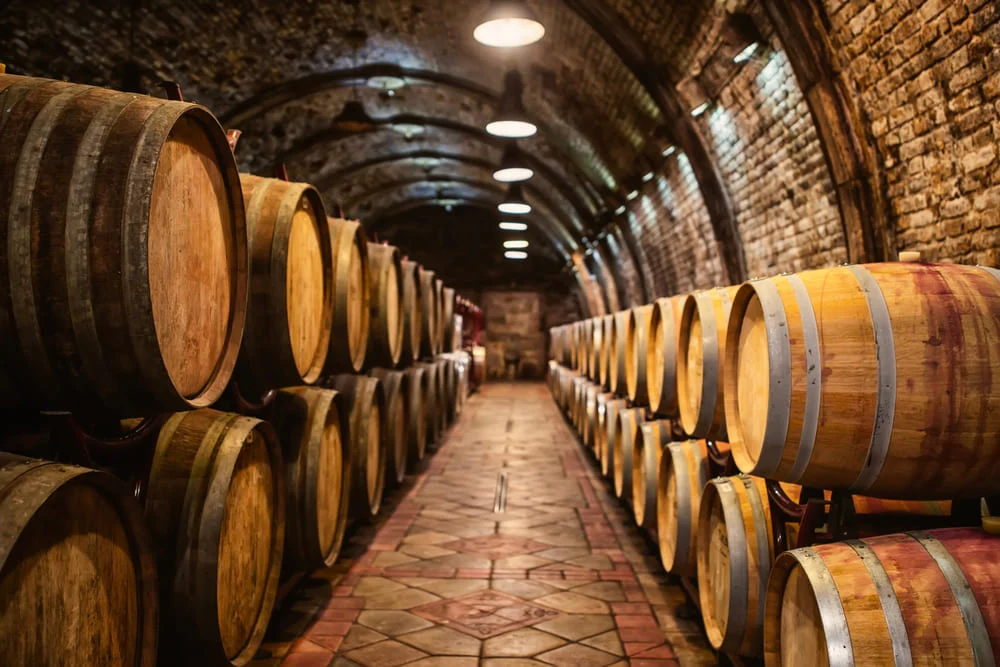
More consumers today care about what goes into what they drink — and wine is no exception. With the rise of health-conscious and environmentally aware lifestyles, vegan wine is gaining attention. But here’s the surprise: not all wine is vegan.
While wine is made from grapes, the issue isn’t the ingredients — it’s the process.
Most traditional winemaking uses a method called fining, which removes bitterness and improves clarity. The problem? Many of the substances used in this process come from animals.
Common non-vegan fining agents include: Egg whites, Casein (milk protein), Gelatin (from animal bones and hides), Isinglass (from fish bladders), Chitosan (from shellfish)
Even though these agents are filtered out before bottling, their use in production means the wine isn’t considered vegan. Some packaging elements, like cork seals, may also involve animal byproducts.
Vegan wine, on the other hand, avoids all animal-derived substances throughout production and packaging. Instead, winemakers use plant-based or mineral alternatives such as:
-
Bentonite (natural clay)
-
PVPP (synthetic compound)
-
Activated charcoal
These achieve the same clarity and balance — without animal involvement.
One major challenge for consumers is identification. There’s currently no strict regulation by bodies like the USDA or FDA on what qualifies as “vegan,” and wine labels rarely disclose fining agents. This makes it difficult to know for sure whether a bottle is vegan unless you ask the producer directly.
The good news? Vegan wine doesn’t cost more and tastes just the same as traditional wine. As demand grows, more winemakers are embracing transparent and vegan-friendly production methods.
Bottom line: Wine isn’t automatically vegan — but with increasing awareness, vegan options are becoming easier to find.