
How To Taste Wine: 8 Essential Wine Tasting Tips
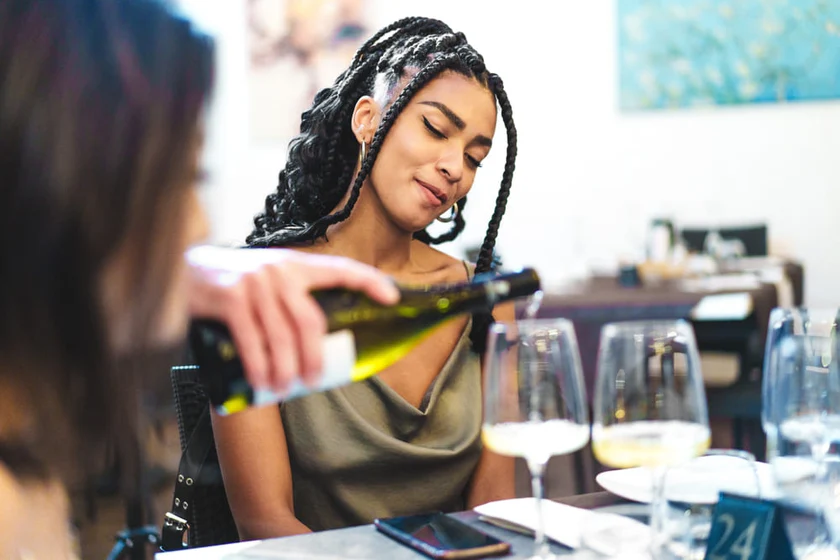
There’s more to learning how to taste wine than it may seem at first. No two wines are the same. Each has its own distinct aroma and flavor profile, and part of the enjoyment of drinking wine comes from exploring these profiles and learning how to pick them out of different wines.
Want to build your wine tasting skills? This guide will cover how to taste wine, including preparing for your experience, 8 important tips, and answers to the most frequently asked questions about wine tasting.
Preparing for the Wine Tasting Experience
Choose the Right Glassware
Different wines pair best with different glassware, so it’s important to choose the right glass for each wine you will be tasting. The different types of wine glasses can impact your overall experience, so make sure to pay attention to glassware shapes and sizes.
Set the Scene: Create a Relaxing Space
Work to create a calm and neutral space with minimal distractions so you can focus on the wine. Do not light any candles or add fragrances to the air, as this can impact your ability to get the full bouquet of the wine. Minimize the amount of distractions in the room, such as turning off the television and dimming the lights.
Check the Serving Temperature
Different wines have different serving temperatures, which help accentuate the natural flavors within the drink. Look up the proper wine serving temperature for your specific bottle and get your wine as close to said temperature as you can before you serve it.
8 Essential Wine Tasting Tips
Wine tasting isn’t just about drinking — it’s about experiencing the wine with all your senses. Here’s a simple step-by-step guide:
Look
Check the wine’s color, clarity, and thickness. These clues can hint at its age and style.
Swirl
Gently swirl the glass to release the aromas. Hold the stem or move the base in small circles on the table.
Smell
Take a deep sniff. Aromas come from the grapes, the winemaking process, and aging. If it smells moldy or like wet paper, it may be faulty.
Sip
Take a small sip and let it coat your tongue. Notice the first flavors and any subtle notes that follow.
Savor
Pay attention to acidity, tannins, sweetness, and alcohol. A good wine feels balanced.
Notice the Finish
How long does the flavor last after you swallow? A longer finish often means better quality.
Cleanse Your Palate
Use water or plain bread between wines to reset your taste buds.
Take Notes
Write down your impressions. Over time, this will improve your tasting skills.
Wine tasting gets easier and more enjoyable with practice. Slow down, pay attention, and enjoy the experience.