
How should champagne be served?
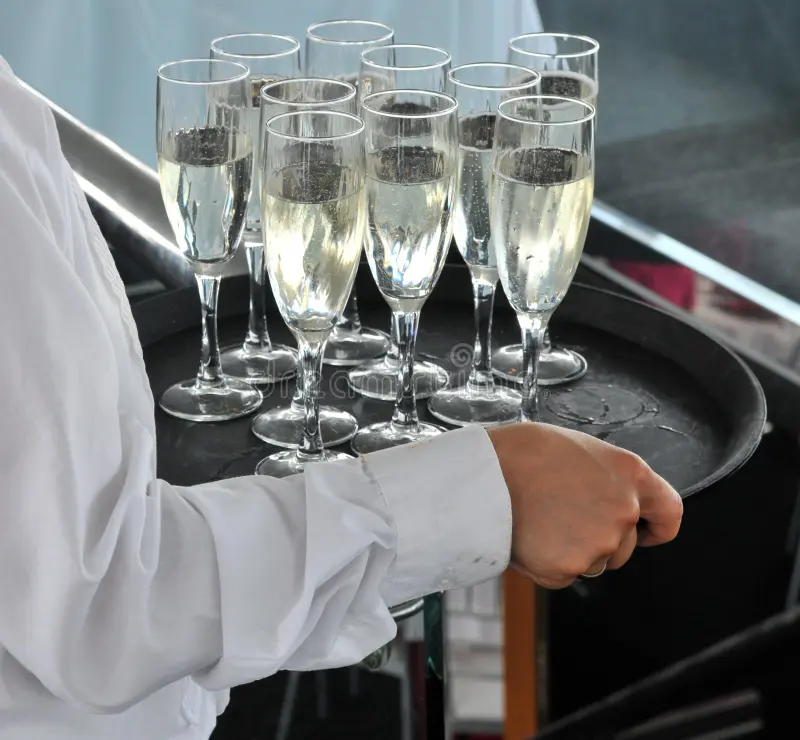
The shape of a glass significantly influences the perception of champagne, from its aromas to balance, and flavour. Larger glasses, like wine glasses, are ideal for appreciating complexity, while flutes enhance effervescence and visual appeal.
Each shape creates a unique tasting experience, and the choice should match the style of champagne and the moment. Vintage or prestige cuvées reveal their full expression in wider glasses. Lighter, fresher styles like non-vintage champagne are best in flutes that emphasise crispness and bubbles. Tailoring the glass to the cuvée elevates the overall experience.
The ideal serving temperature for champagne ranges from 8°C for non-vintage bruts, which are fresher and more vibrant, to around 10°C for vintage cuvées, allowing their greater complexity to fully express itself. To achieve this, place the bottle in a fridge for about 3-4 hours, or in an ice bucket filled with half water and half ice for 20–30 minutes before serving. Avoid storing it too cold, as lower temperatures can mute aromas and flavours.
Above all, the emotional context is key. The moment defines the magic, the glass simply enhances it.
How to choose the perfect champagne for your occasion?
The ideal champagne depends on the moment you pair it with. For an aperitif, a dry and lively style such as a brut or a blanc de blancs works beautifully to awaken the palate. As you move into the meal, a multi-vintage cuvée like Pommery Apanage 1874 offers complexity and balance for starters. With the main course, an aged vintage champagne will bring depth and structure. To finish, if the dessert allows, a rosé champagne can be a delightful and elegant match.
A vintage champagne with some good ageing time could work well with a fish or white meat in sauce. A rosé champagne would be lovely on some red fruit desserts and a blanc de blancs could work nicely with sushi.