
How Long Should You Store Wine?
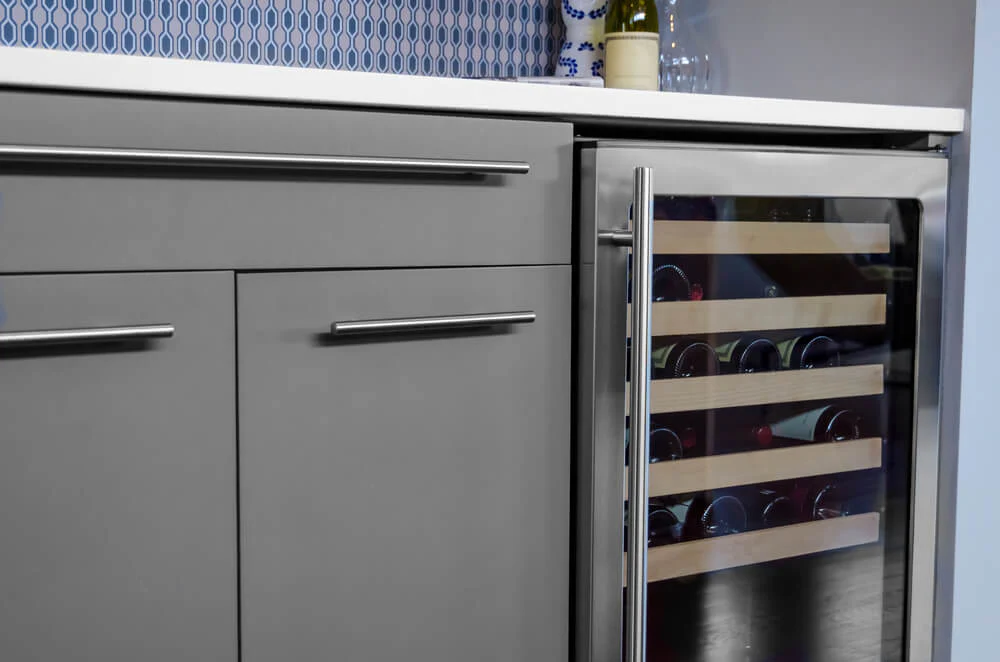
Wine is one of the few beverages that can improve with age, but that doesn’t mean every bottle should sit on a shelf for years. A common misconception is that the longer you store wine, the better it becomes. In reality, most wines are produced to be enjoyed while they are still fresh and vibrant. Only a small percentage of wines are crafted specifically for long-term aging, and understanding the difference can help you get the best experience from every bottle.
The ability of a wine to age well depends largely on its structure. Wines with higher acidity, firm tannins, balanced sugar, and strong overall composition tend to develop more complexity over time. These elements act as natural preservatives, allowing the wine to evolve gradually. On the other hand, lighter and more delicate wines, which are often fruity and easy to drink, typically do not benefit from extended storage and are best consumed within a short period after purchase.
In general, light white wines like Pinot Grigio or Sauvignon Blanc are best enjoyed within one to three years, while fuller-bodied whites such as Chardonnay can last between three to five years. Rosé wines are at their peak within one to two years. For red wines, lighter varieties like Pinot Noir can be stored for two to five years, while fuller-bodied reds such as Cabernet Sauvignon or Merlot can age for five to ten years or even longer if they are of high quality. Sparkling wines are usually best within one to three years, except for premium types, and dessert wines can last for decades due to their higher sugar content.
As wine ages, its flavor profile changes. Fresh, fruity notes gradually give way to deeper, more complex characteristics such as earthy, nutty, or spicy tones. Tannins soften, making the wine smoother and more refined. However, this process is delicate, and if wine is stored for too long or under poor conditions, it can lose its balance and become flat or unpleasant.
Proper storage plays a crucial role in how well a wine ages. Wine should be kept at a consistent, cool temperature, ideally between 10 and 15 degrees Celsius. Exposure to heat, light, or frequent movement can damage the wine and speed up its decline. Bottles should be stored horizontally to keep the cork moist, and humidity levels should be moderate to prevent the cork from drying out. Even without a dedicated wine cellar, a cool, dark space in your home can be suitable for short-term storage.
Despite careful storage, wine does not last forever. Signs that a wine has gone bad include a sour or vinegar-like smell, a dull or flat taste, and noticeable changes in color, such as reds turning brownish or whites becoming too dark. When this happens, the wine has passed its peak and is no longer enjoyable.
Ultimately, the best approach to storing wine is knowing what you have and when to drink it. While some bottles benefit from patience, most are meant to be opened and enjoyed sooner rather than later. If you are ever unsure, it is often better to open the bottle and enjoy it at its best rather than risk waiting too long.