
Does Cognac Get Better With Age?
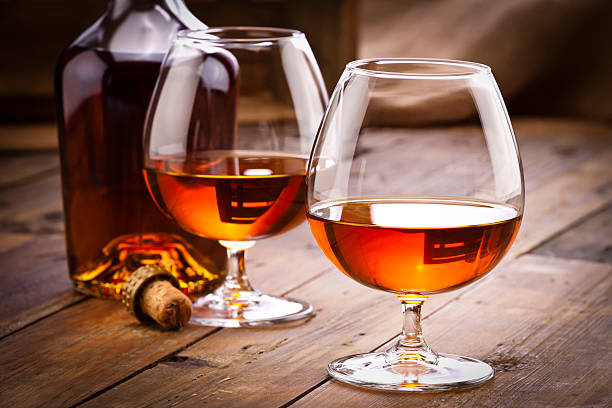
When it comes to Cognac, age often sounds like the ultimate measure of quality. You may see bottles with different age classifications and naturally assume that the older the Cognac, the better it must taste. But is that really the case? Does Cognac actually get better with age, or is there more to the story?
The simple answer is yes — but only up to a point, and only while the Cognac is ageing in a wooden cask. Unlike wine, Cognac does not continue to mature once it has been bottled. This is one of the most important things to understand when buying or storing Cognac. A bottle of Cognac that has been sitting on your shelf for 20 years does not suddenly become a 20-year-old Cognac. Its age stopped counting when it was bottled.
Before Cognac reaches the bottle, it goes through an ageing process that can dramatically change its character. Freshly distilled Cognac is powerful and quite raw, but spending years in oak barrels allows it to develop greater depth, smoother flavours and a more complex aroma. Over time, the spirit interacts with the wood, picking up flavours and characteristics that can include vanilla, spice, dried fruit, caramel and subtle oak notes.
This ageing process is also where much of Cognac’s smoothness comes from. As the spirit spends more time in the barrel, its harsher edges can soften, creating a more balanced drinking experience. This is why an older Cognac can often feel richer and more sophisticated than a younger expression.
However, older does not automatically mean better. This is where things get interesting. Cognac is about balance, and different people enjoy different flavour profiles. A younger Cognac can be lively, fruity and vibrant, making it excellent for cocktails, while a more mature expression may offer deeper, richer and more layered flavours that are better suited to sipping slowly.
The type and quality of the barrels also matter. Cognac is traditionally aged in oak, and the wood itself plays an important role in the final character of the spirit. The interaction between the Cognac and the barrel is carefully managed because too much influence from the wood can overpower the spirit rather than improve it.
There is also a point where additional ageing does not necessarily make a Cognac dramatically better. As the spirit spends decades in a barrel, the relationship between the Cognac and the wood becomes increasingly complex. Some extremely old Cognacs can develop remarkable flavours, but their value is not simply determined by age. Craftsmanship, rarity, provenance, blending and the character of the spirit all contribute to what makes a bottle special.
This is why Cognac producers do not simply leave every spirit in a barrel for as long as possible. Instead, master blenders carefully select and combine eaux-de-vie of different ages and characteristics to create a particular style. The goal is not just to make the oldest Cognac possible; it is to create a harmonious and enjoyable final product.
So, when you are standing in a shop looking at Cognac bottles, don’t assume that the bottle with the oldest-looking label will automatically be your best choice. Think about how you plan to drink it. If you’re mixing cocktails, a younger Cognac may be exactly what you need. If you’re looking for something to sip slowly after dinner, a well-aged expression may offer the richer and more layered experience you’re after.
And what about that bottle of Cognac you have had at home for years? If it has already been bottled, don’t worry about it becoming “too old.” Properly stored Cognac does not continue ageing in the bottle in the same way it does in oak. Keeping it upright, away from excessive heat and direct sunlight, can help preserve its quality for a long time.
Ultimately, the beauty of Cognac is not simply about chasing the highest number on a label. Age can bring complexity, smoothness and depth, but the best Cognac is the one that matches your taste and the occasion. Sometimes a younger, fruitier Cognac can be more enjoyable than an exceptionally old one.
So, does Cognac get better with age? It can — while it is ageing in the barrel. But once it reaches the bottle, the ageing process essentially stops. The real magic happens before the cork is ever pulled, as time, oak, craftsmanship and blending work together to transform a young spirit into the Cognac we know and enjoy.