
Champagne or Sparkling Wine? The Bubbly Truth Revealed
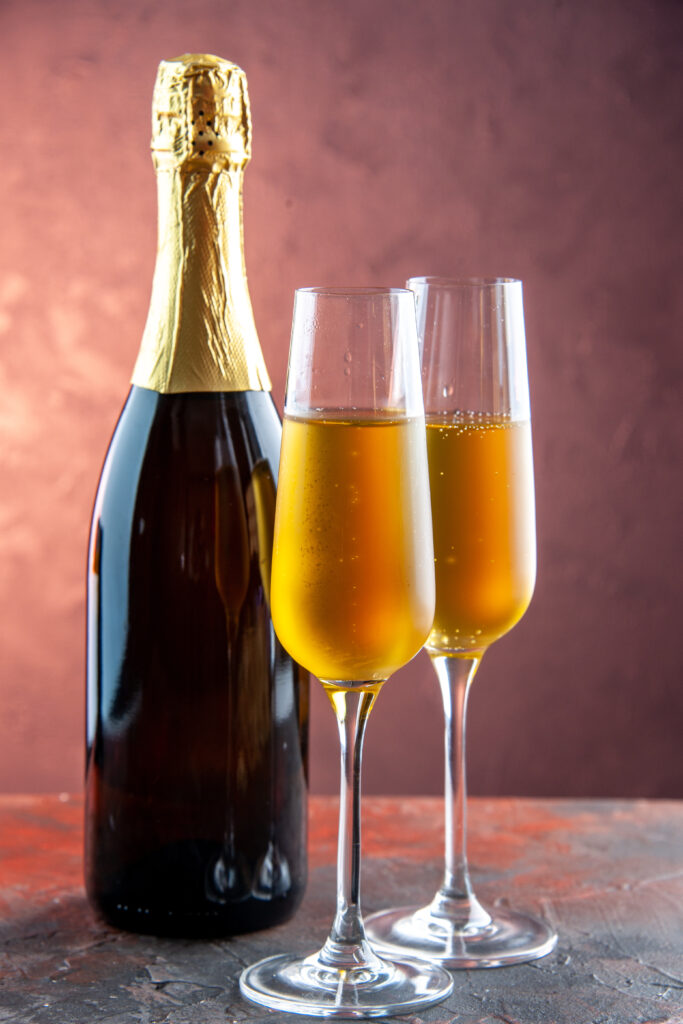
There’s something undeniably magical about a glass of bubbly. Whether it’s celebrating a milestone, enjoying a romantic dinner, or simply indulging in a little luxury, sparkling wines bring an effervescent charm to any occasion. But here’s the twist: not all sparkling wines are Champagne. Let’s break down the differences so your next toast is informed and stylish.
Champagne is a sparkling wine, but with a very specific requirement—it must come from the Champagne region in France. Sparkling wine, on the other hand, can be produced anywhere in the world, from Italy’s Prosecco to Spain’s Cava, or even sparkling wines from California and Australia. Think of Champagne as a luxury subset of sparkling wine.
Champagne primarily uses three grape varieties: Chardonnay, Pinot Noir, and Pinot Meunier. The region’s chalky soil, cool climate, and meticulous vineyard practices give Champagne its signature crispness and complex flavors. Other sparkling wines use different grapes depending on their region. For example, Prosecco is made from Glera grapes, while Cava often uses Macabeo, Xarel-lo, and Parellada.
Champagne is crafted using the traditional method (Méthode Champenoise), where the second fermentation occurs in the bottle. This process creates fine, persistent bubbles and contributes to its creamy texture and nuanced flavors. Many sparkling wines, like Prosecco, are made using the tank method (Charmat), which is faster and produces lighter, larger bubbles.
Champagne often carries notes of apple, pear, brioche, and almond with a refined, yeasty complexity due to extended aging. Sparkling wines vary widely: Prosecco tends to be light, fruity, and floral, while Cava has a bright acidity and crisp, citrusy character. The flavor depends on grape variety, production method, and aging process.
Champagne is ideal for special celebrations, sophisticated dinners, or any moment you want to mark as memorable. Sparkling wines are versatile—perfect for brunch, casual gatherings, or cocktails like mimosas and spritzers. The choice ultimately comes down to occasion, taste, and budget.