
Common Cigar Myths—Fact or Fiction?
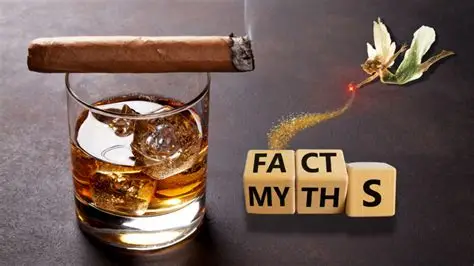
Cigars have a rich history and culture, but they also come with plenty of myths. From ideas about how cigars should be smoked to assumptions about quality and storage, some popular beliefs are not entirely accurate. Whether you are new to cigars or simply interested in learning more, separating fact from fiction can help you better understand the craftsmanship and traditions behind cigars.
Myth 1: The more expensive the cigar, the better it is.
Fiction. Price does not automatically determine quality or personal enjoyment. A cigar’s price can be influenced by factors such as the tobacco used, ageing process, craftsmanship, brand reputation and production costs. A more expensive cigar may be highly regarded, but that does not mean it will suit everyone’s taste. Preferences vary, so finding a cigar that matches your preferred flavour and strength is often more important than choosing the most expensive option.
Myth 2: You should always cut a cigar with any sharp object.
Fiction. How a cigar is cut can affect the smoking experience, and using the right cigar cutter is generally preferable. A clean, appropriate cut helps prevent the wrapper from unraveling and allows for a more consistent draw. Using unsuitable or blunt tools can damage the cigar, particularly the delicate wrapper, and affect how it burns.
Myth 3: A cigar should be stored anywhere that is cool and dry.
Fiction. Cigars require controlled humidity to maintain their condition. Storing them in an excessively dry environment can cause the tobacco to lose moisture, while too much humidity can create other quality problems. This is why cigar enthusiasts use humidors, which are designed to help maintain a suitable environment for cigar storage.
Myth 4: A white or grey ash means the cigar is better quality.
Fiction. Ash colour alone is not a reliable way to judge cigar quality. The colour and texture of ash can be influenced by the tobacco itself, the soil where it was grown, minerals, fermentation and combustion conditions. While ash can be interesting to observe, it should not be treated as a definitive quality test.
Understanding the facts behind cigar myths makes it easier to appreciate cigars for what they really are: carefully crafted tobacco products with a long-standing culture and tradition. Instead of relying on assumptions, learn about the tobacco, craftsmanship, storage and traditions behind each cigar. And because tobacco use carries significant health risks, anyone choosing to use cigars should understand those risks and avoid treating cigars as a harmless alternative to other tobacco products.