
How Should Unopened Wine Be Stored? A Practical Guide for Every Wine Lover
Unopened wine should be stored properly to preserve its taste, aroma, and overall quality until you are ready to drink it. The most important factor to consider is temperature, as wine is highly sensitive to heat. Ideally, wine should be kept in a cool environment between 7°C and 18°C, with around 12°C being the perfect range. Excess heat can damage the wine by accelerating its aging process, while extremely cold temperatures can cause the liquid to expand and potentially push the cork out. Just as important as keeping the wine cool is maintaining a consistent temperature, since frequent fluctuations can negatively affect the wine’s structure and flavor over time.
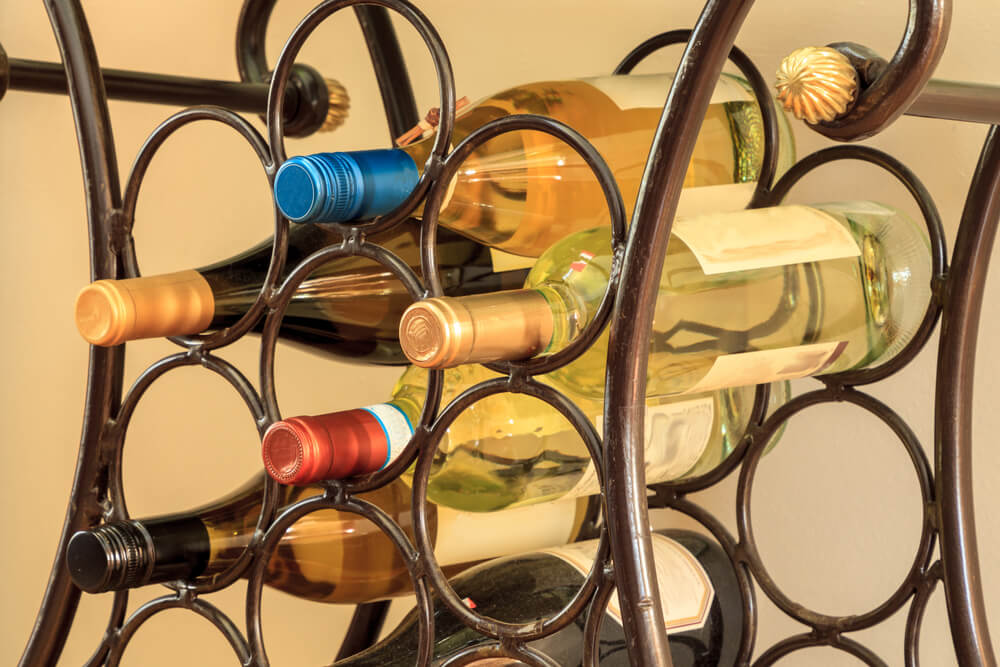
Another key aspect of storing unopened wine is positioning the bottle correctly. Wines sealed with corks should be stored horizontally to keep the cork moist, which prevents it from drying out and allowing air to seep into the bottle. However, wines with screw caps can be stored upright without any issues. In addition, wine should always be kept away from direct light, especially sunlight, as ultraviolet rays can break down the chemical compounds in wine and lead to unpleasant flavors. This is why many wines are packaged in dark-colored bottles, although extra protection by storing them in a dark place is still necessary.
The storage environment should also be free from excessive vibration and noise. Constant movement can disturb the wine, particularly those meant for aging, and interfere with the natural settling of sediments. Humidity is another factor to consider, especially for long-term storage. A moderate humidity level between 50% and 70% helps keep the cork in good condition. If the air is too dry, the cork may shrink and allow air inside, while overly humid conditions may damage labels but generally won’t harm the wine itself.
Finally, choosing the right storage location makes a big difference. A cool, dark cupboard, a shaded corner, or a stable wine rack can work perfectly well for most households. While a wine fridge or cellar offers ideal conditions, it is not necessary unless you plan to store wine for extended periods. It is also worth noting that most wines are not designed to age for many years and are best consumed within one to three years of purchase, while only certain fine wines improve with long-term storage. By keeping unopened wine in a stable, cool, and dark environment, you can ensure that it remains in the best possible condition until you decide to enjoy it.