
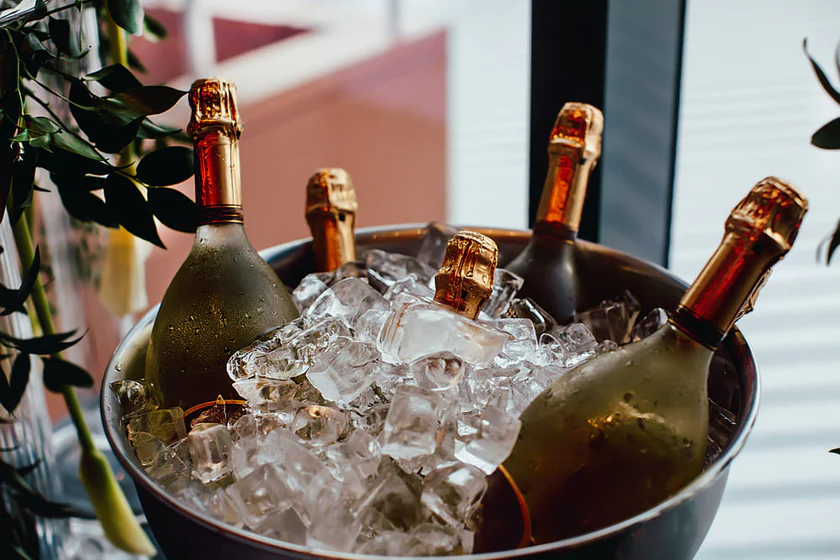
When serving a great glass of wine, temperature matters more than many people realize. The right serving temperature helps bring out the wine’s flavors, aromas, and overall balance. If the wine is too warm or too cold, it can affect the taste and reduce the enjoyment.
In this guide, we explain the ideal temperatures for different types of wine and share simple tips for storing and serving wine the right way.
Why Wine Temperature Matters
Each type of wine has a recommended temperature that helps highlight its natural qualities—such as sweetness, acidity, fruit flavors, and tannins. Serving wine at the right temperature ensures that these elements are balanced and enjoyable.
Whether you are drinking red, white, rosé, sparkling, or dessert wine, proper temperature can make a big difference in the experience.
Wine Serving Temperatures by Type
Red Wine
Red wine is best served slightly below room temperature, typically between 55°F and 65°F (13°C–18°C).
-
Lighter red wines taste better when slightly cooler.
-
Full-bodied reds can be served a little warmer.
If red wine is too warm, it can taste flat or overly alcoholic. If it’s too cold, the tannins become too strong and the flavors may seem harsh.
How to Chill Red Wine
-
Storage temperature: Around 55°F (13°C)
-
Chilling time: 25 minutes to 1 hour in the refrigerator
-
Before serving: Remove from the fridge and allow it to breathe. Decanting can also improve the flavor.
White wine
White wine is usually served cooler than red wine, between 45°F and 55°F (7°C–13°C).
-
Light white wines should be served colder to maintain freshness and acidity.
-
Full-bodied white wines can be served slightly warmer to enhance their flavors.
If white wine is too warm, it loses its crispness and fruit aroma. If it’s too cold, the flavors may become muted.
How to Chill White Wine
-
Storage temperature: Around 55°F (13°C)
-
Chilling time: 1–2 hours in the refrigerator
-
Before serving: Remove shortly before serving and keep on the table while drinking.
Rosé wine
Rosé wine is best served between 48°F and 53°F (9°C–12°C), slightly warmer than white wine.
-
Light rosé wines taste better when more chilled.
-
Full-bodied rosés can be served slightly warmer.
If rosé wine is too warm, it loses its refreshing character. If it’s too cold, the flavors and aromas may be less noticeable.
How to Chill Rosé
-
Storage temperature: Around 55°F
-
Chilling time: 2–4 hours in the refrigerator
-
Before serving: Remove 15–30 minutes before pouring.
Sparkling Wine
Sparkling wines should be served very cold, between 43°F and 47°F (6°C–8°C). This helps preserve the bubbles and crisp taste.
If sparkling wine is too warm, it can lose carbonation and become flat. If it’s too cold, it may freeze or become difficult to open.
How to Chill Sparkling Wine
-
Chilling method: Place bottles in the refrigerator or freezer.
-
Chilling time: A few hours before serving.
-
Before serving: Remove right before opening.
Dessert and fortified wines
Dessert and fortified wines are best served between 57°F and 66°F (14°C–19°C).
These wines are richer and sweeter, so serving them at the right temperature helps balance their flavors.
If served too warm, they may taste overly heavy. If served too cold, their aromas and complexity may be hidden.
How to Chill Dessert Wines
-
Storage temperature: Around 55°F
-
Chilling time:
-
Light styles: about 45 minutes
-
Full-bodied styles: about 20 minutes
-
-
Before serving: Remove from the fridge 15–30 minutes earlier.