
How to Recork Wine: Simple Ways to Keep Your Bottle Fresh Longer
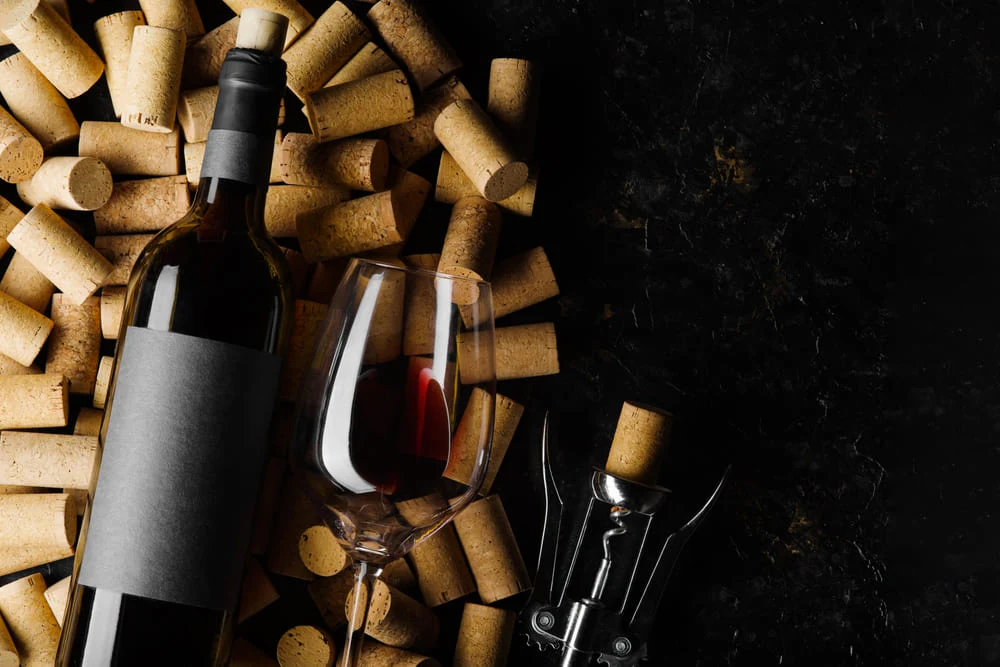
Learning how to recork wine properly can help you preserve an unfinished bottle and enjoy it over several days instead of wasting it. Once a bottle is opened, exposure to air triggers oxidation, a chemical process that gradually alters the wine’s flavor and aroma. Resealing the bottle slows this process, helping the wine stay fresh longer and making it easier to transport without spills.
One of the simplest ways to reseal a bottle is by using the original cork. If the cork remains intact and wasn’t damaged by the corkscrew, it can be reinserted by angling it slightly into the bottle’s opening, twisting gently, and pressing it down firmly. If it’s difficult to reinsert, wrapping the cork in a thin layer of wax paper can help ease it back in. Properly recorked wine can typically last three to five days in the refrigerator.
If the original cork is unusable or missing, a temporary solution is to create a makeshift cork using a paper towel. Folding the towel into a cork-like shape, securing it with tape and plastic wrap, and inserting it into the bottle can seal it briefly. However, this method is only suitable for short-term use—ideally no more than a day—since it does not prevent oxidation as effectively as other options.
A more reliable and reusable solution is a wine stopper. Usually made of rubber or stainless steel, wine stoppers are affordable, easy to use, and capable of keeping wine fresh for several days. Simply inserting the stopper into the bottle creates a secure seal, making it a convenient and environmentally friendly option for regular wine drinkers.
For longer-lasting freshness, a wine saver system offers enhanced protection. These vacuum sealers use a stopper and pump to remove excess air from the bottle, reducing oxidation. Available in manual or electric versions, wine savers can preserve wine more effectively than traditional corks or stoppers by limiting the wine’s exposure to oxygen.
Resealing sparkling wines like champagne requires a slightly different approach because their original corks are typically difficult to reinsert. In such cases, using a cork from another bottle can work temporarily. The cork should be twisted firmly into place, and the bottle stored in the refrigerator for no more than one or two days to maintain carbonation and flavor.
Proper storage after resealing is just as important as the sealing method itself. Opened bottles should be kept upright in the refrigerator, away from light and temperature fluctuations. Pouring leftover wine into a smaller bottle can further reduce air exposure. Some wines, such as Pinot Noir, lighter reds, organic whites, and older vintages, tend to oxidize faster and may not last as long even when properly resealed.