
Cigars Through the Ages: A Journey from Tradition to Prestige
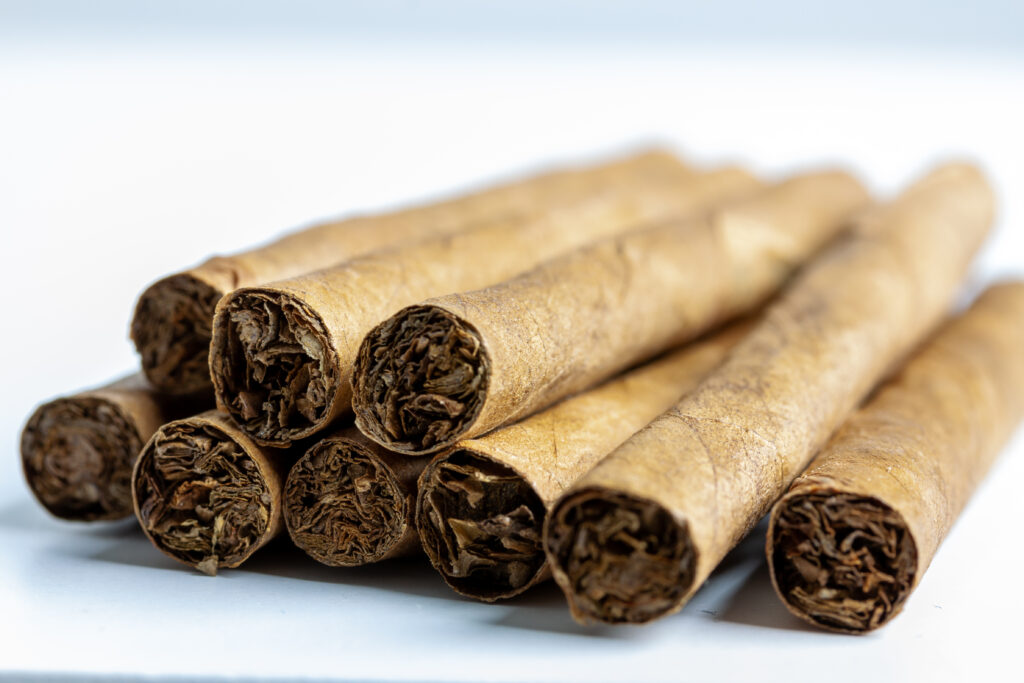
The history of cigars is a long journey that starts with ancient traditions and ends with the modern idea of luxury. What began as a cultural practice in the Americas has grown into a global symbol of class, relaxation, and craftsmanship.
Cigars were first used by the indigenous peoples of the Caribbean and Mesoamerica. Long before Europeans arrived, these communities were already growing tobacco and rolling the leaves into early versions of cigars. For them, tobacco wasn’t just something to smoke for fun. It played a big role in rituals, medicine, and social life. Many ancient groups, including the Mayans, used rolled tobacco during ceremonies because they believed the smoke connected them with spiritual forces. It was also used for healing, cleansing, and bringing people together. These practices laid the foundation for what cigars would eventually become.
Cigars reached Europe in 1492, when Christopher Columbus and his crew saw the Taino people smoking bundles of tobacco leaves. The explorers took this idea back home, and by the mid-1500s, cigar smoking had spread across Spain, Portugal, and other parts of Europe. At first, people were unsure about it, but cigars soon became popular, especially among the wealthy. As demand grew, European countries set up tobacco plantations in the Americas, turning cigars into a valuable product and an important part of global trade.
Cuba eventually became the heart of premium cigar making. Its rich soil and perfect climate, especially in the Vuelta Abajo region, produced tobacco that the world recognized as the best. By the 17th and 18th centuries, Cuban cigars had earned a reputation for unmatched quality. As master roller Arnaldo Osvalles Brinones once said, “Tobacco is part of the cycle of life. It is grown, crafted into a cigar, and eventually becomes part of someone’s life.” While Cuba is still famous for its cigars, recent challenges and limited resources have allowed other countries to rise and sometimes even outperform Cuba in quality.
As European exploration expanded, cigars played a role in the cultural and economic exchanges between the New World and Europe. Europeans saw how indigenous people used tobacco, adopted the practice, and made it their own. Growing interest led to large-scale tobacco farming, which became central to colonial economies, especially in Cuba and the Dominican Republic. The tobacco trade also strengthened international commerce and introduced new cultural interactions.
As cigars spread, they became linked with status and style, especially during the Renaissance when European culture was flourishing. People enjoyed cigars at social gatherings, and over time they became a symbol of luxury and sophistication. The demand also encouraged improvements in tobacco growing, curing, and fermentation, helping build the cigar industry we know today.
From ancient rituals to modern elegance, cigars have traveled a long way. Their history blends culture, craftsmanship, and global influence, making them much more than just rolled tobacco—they are a tradition shaped by centuries of human experience.
The history of cigars is a rich and intricate narrative that stretches from ancient indigenous rituals to modern luxury culture. Originally cultivated and smoked by pre-Columbian civilizations, cigars evolved through centuries of trade, craftsmanship, and cultural exchange, becoming deeply embedded in societal traditions across the world. They have been shaped by economic shifts, technological advancements, and changing consumer preferences, continuously adapting to new eras while maintaining their prestige.
Today, cigars are more than just a tobacco product—they serve as symbols of status, relaxation, and craftsmanship, appreciated by enthusiasts for their complexity and artistry. At the same time, they remain a subject of cultural conversation, balancing heritage with modern health perceptions and industry regulations.
As the cigar industry continues to innovate, it faces the challenge of preserving time-honored traditions while responding to contemporary market dynamics. Yet, despite these changes, cigars retain their allure as an experience that transcends time, offering aficionados a connection to history, ritual, and refinement.
source: renegadecigars